Types of Countertops
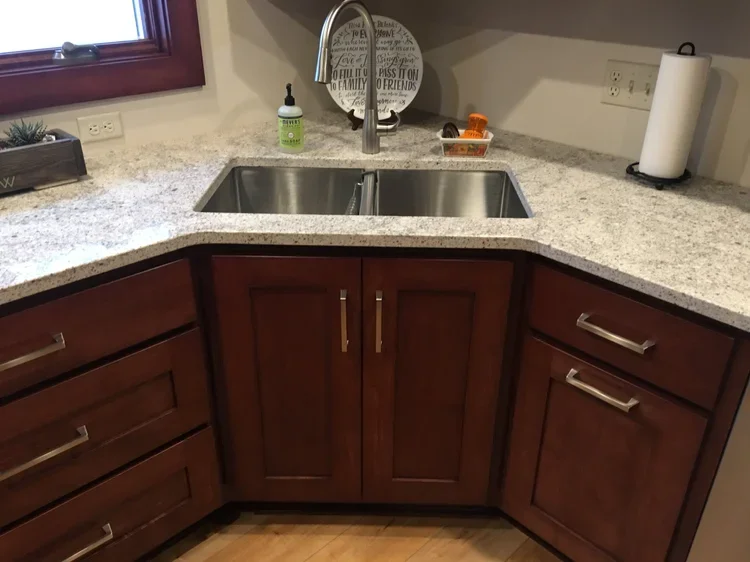
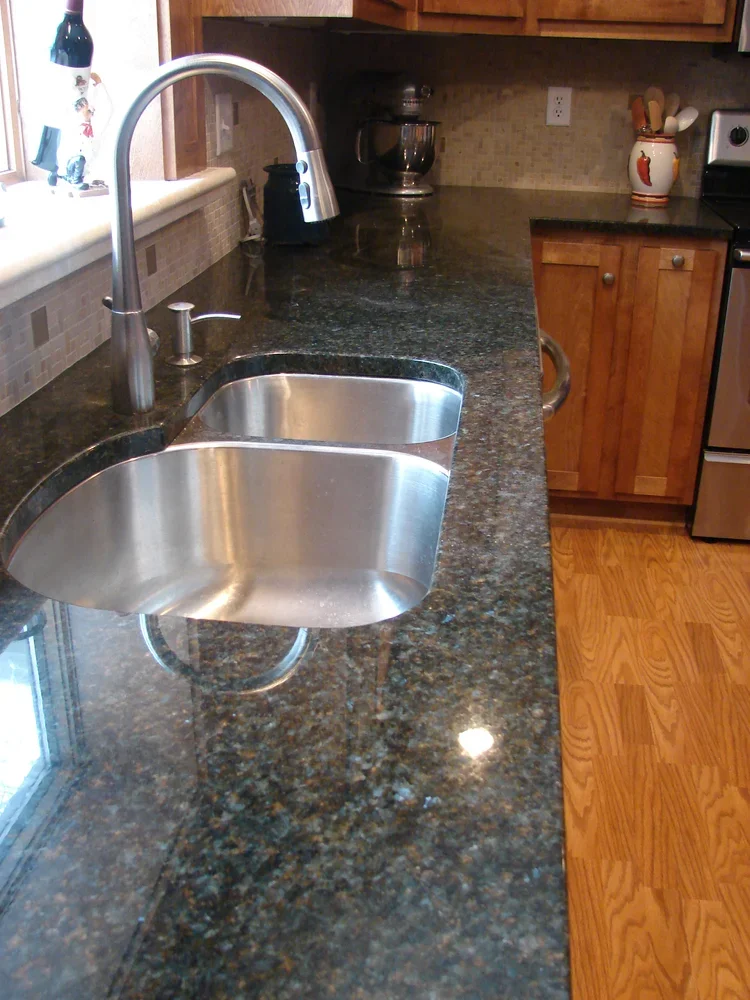
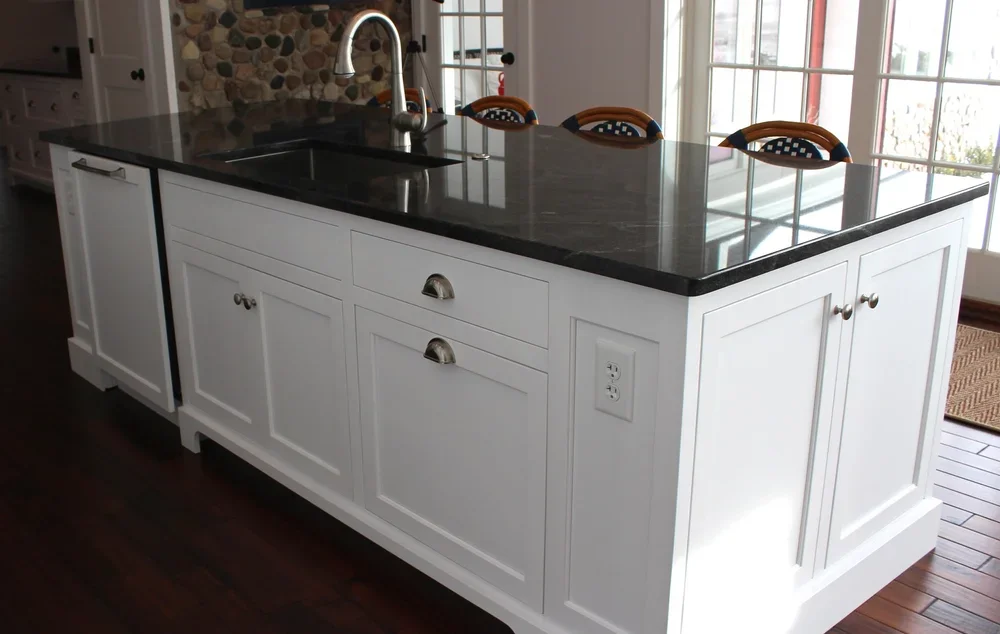
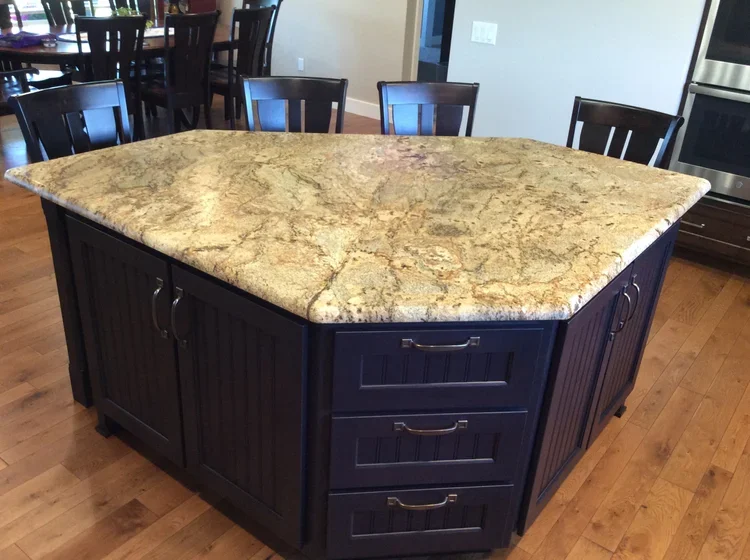
Granite Overview
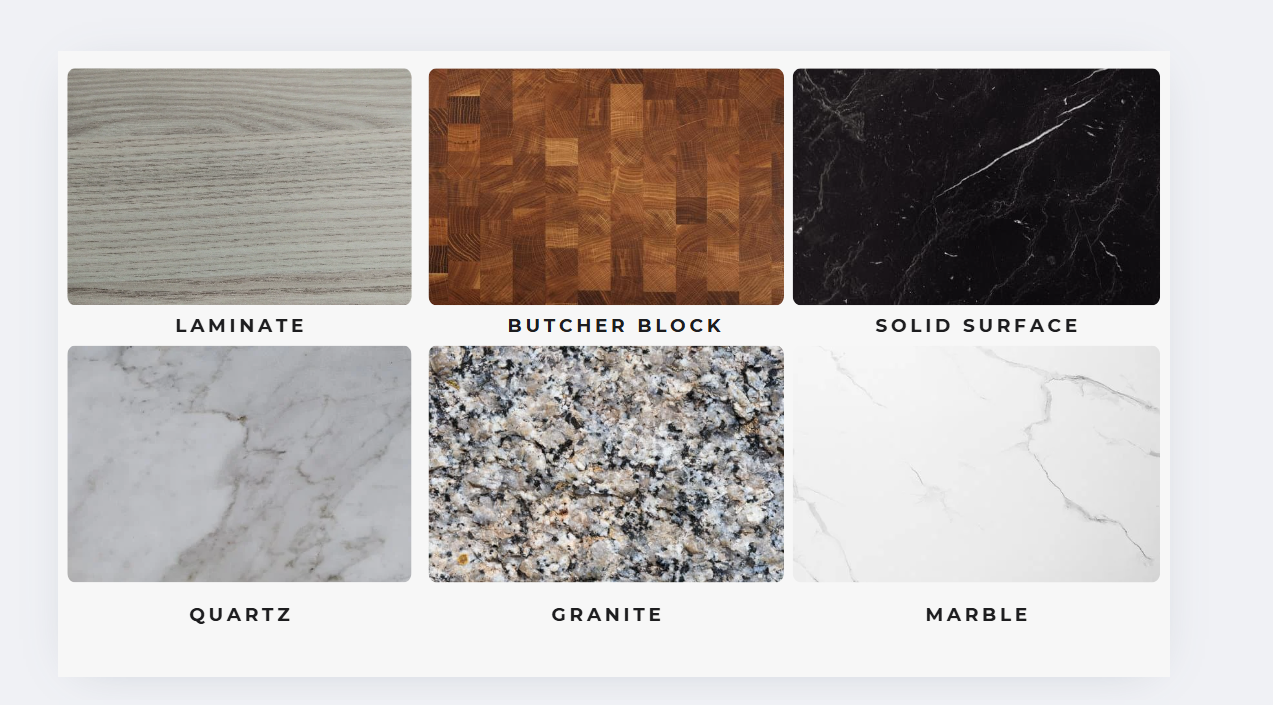
Natural volcanic stone with unique patterns and strong durability. Ideal for kitchens that need both performance and style.
Advantages
Scratch-resistant
Handles hot pots and pans
Wide range of colors and veining
Premium, timeless appearance
Increases home value
Considerations
Requires sealing to protect from stains
Can chip at sharp edges
Slab seams may show with patterned designs
Heavier installation requirements
Typically higher cost
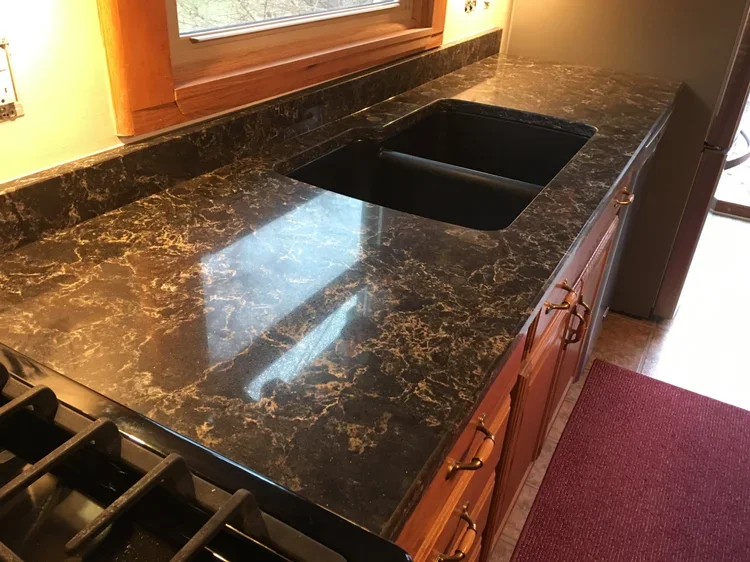
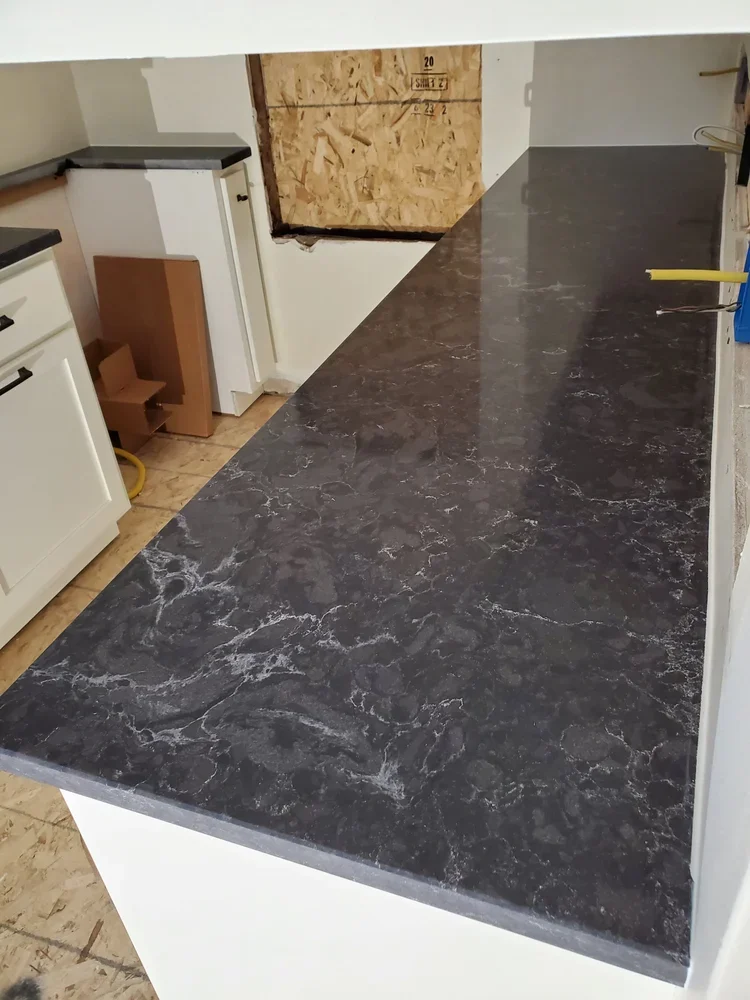
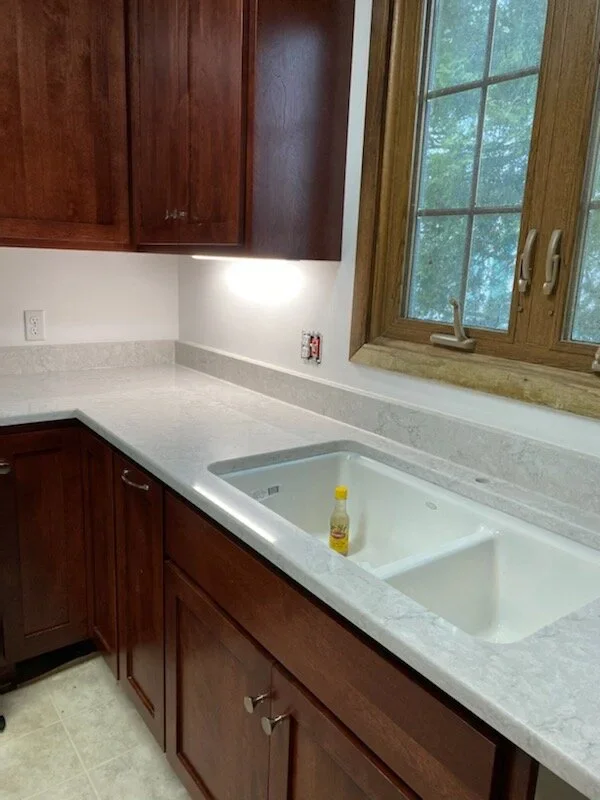
Quartz Overview
Quartz countertops are engineered from crushed natural quartz and resin binders. This creates a durable, non-porous surface with consistent color, patterns, and minimal maintenance required.
Advantages
Extremely durable and scratch-resistant
Non-porous — no sealing required
Excellent stain resistance
Wide range of modern colors and patterns
Consistent appearance across large areas
Considerations
Not recommended for extreme heat exposure (hot pans can damage resin)
Can be heavier and more costly than granite
Sunlight exposure may cause discoloration outdoors
Patterns lack the organic variation of natural stone
Seams may still be visible in large layouts
Laminate Overview
Laminate countertops are made from layers of decorative paper and resin bonded to a particleboard core. They provide an affordable surface option available in many colors and patterns, including stone and wood look-alikes.
Advantages
Budget-friendly countertop option
Huge variety of colors, textures, and patterns
Easy to clean and maintain
Lightweight and simple to install
Great choice for rental properties or quick refreshes
Considerations
Can scratch, chip, or show wear over time
Not heat-resistant — hot pots and pans can damage the surface
Water exposure can cause swelling at seams
Difficult to repair if damaged
Typically does not increase home value like stone options
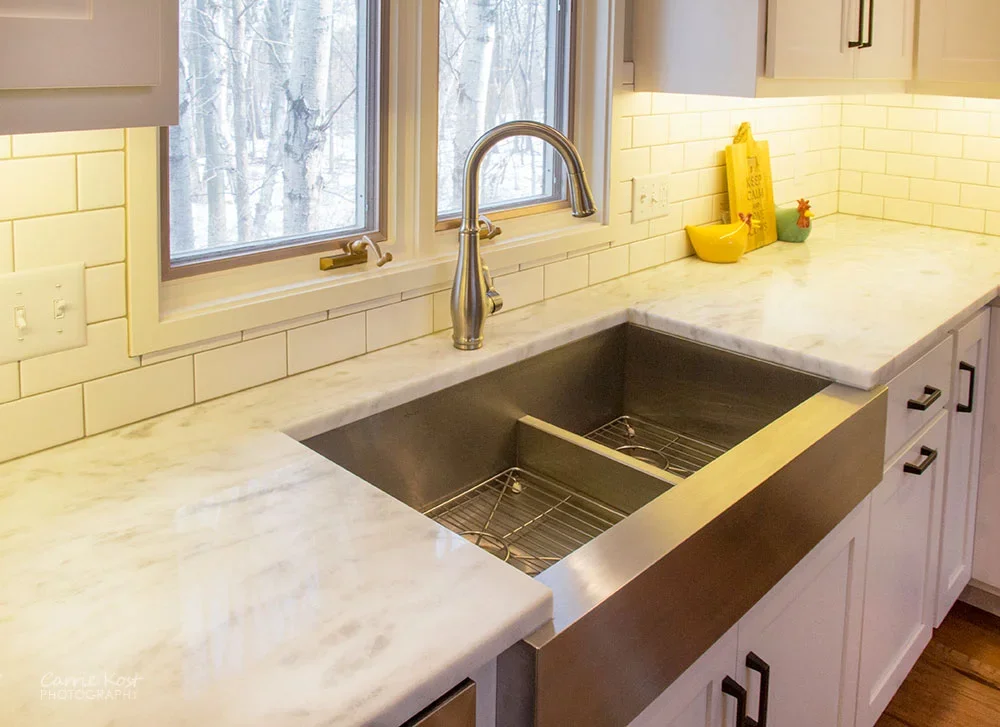
Marble Overview
Marble is a natural stone known for its elegant veining and soft, luxurious appearance. It offers a high-end, classic look commonly used in bathrooms, fireplaces, and low-traffic kitchen areas.
Advantages
Sophisticated, timeless aesthetic
Naturally heat-resistant
Smooth surface is great for baking and pastry work
Unique veining — no two slabs are alike
Adds strong luxury appeal and home value
Considerations
More prone to staining from acidic foods and liquids
Softer than granite — can scratch and etch over time
Requires frequent sealing and careful maintenance
Naturally occurring pits and divots may appear
Can be more expensive depending on style and origin
Butcher Block Overview
Butcher block countertops are made from bonded hardwood strips — such as maple, oak, or walnut — creating a warm, natural surface that adds character and comfort to kitchens.
Advantages
Warm, organic look that pairs well with many designs
Softer and quieter surface than stone
Can be sanded and refinished to repair damage
Food-safe finishing options for direct cutting
Typically more budget-friendly than natural stone
Considerations
Requires routine oiling or sealing to protect surface
Can stain or absorb moisture if not maintained
Softer material — more prone to scratches and dents
Not ideal near sinks without proper sealing (risk of swelling)
Heat can scorch the surface if hot items are placed directly on it
Solid Surface Overview
Solid surface countertops are made from a blend of acrylic resins and natural minerals. They create a smooth, non-porous surface with seamless joints and a wide range of modern color options.
Advantages
Non-porous — highly resistant to stains and bacteria
Seamless installations with nearly invisible joints
Easy to repair — scratches can be sanded out
Warm and smooth surface to the touch
Many contemporary colors and matte finishes
Considerations
Softer surface — can scratch or scorch from heat
Not as high-end or durable as stone
Gloss finishes can show wear over time
Chemical cleaners may cause damage
Can be pricier than laminate